
New Forage varieties show improved potential
Research on forage crops at the University of Saskatchewan is yielding new varieties that could improve pasture performance, salt and drought tolerance, and seed production.
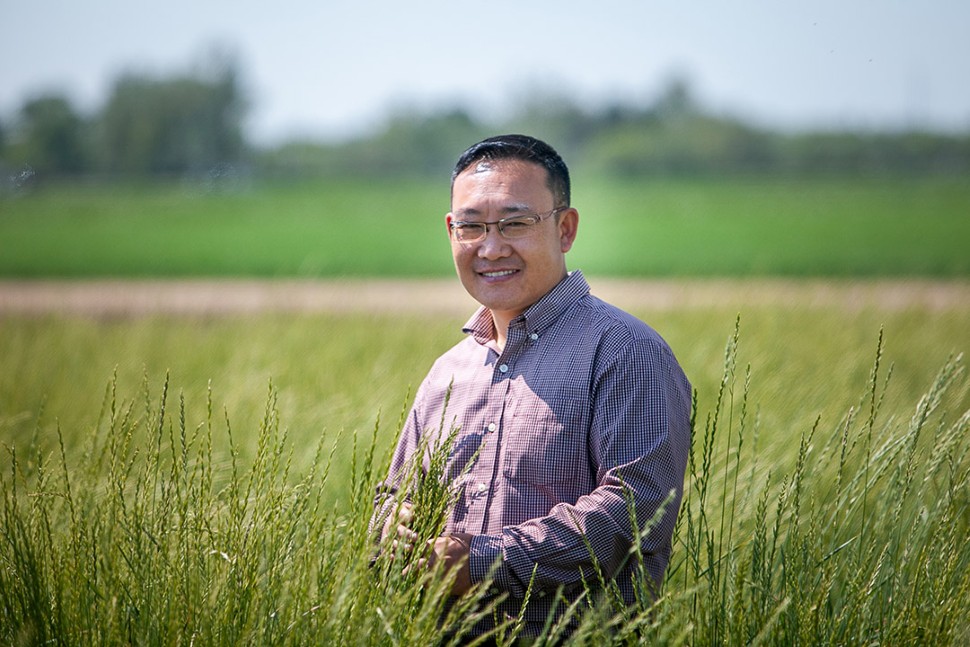
By Glenda-Lee Vossler, SwiftCurrentOnline.comDr. Bill Biligetu is the Forage Breeder with the University of Saskatchewan's Crop Development Centre, and the Ministry of Agriculture Strategic Research Program (SRP) Chair in Forage Crop Breeding at USask.
He says forage crops play an important role in sustainable agricultural land management, from soil health and retention to carbon sequestration.
His breeding program focuses on perennial forage crops like alfalfa, sainfoin, hybrid bromegrass and wheatgrass.
He says progress is being made with new forage varieties offering improvements in yield and quality.
Focus on survival, yield and adaptability
Biligetu's forage breeding program focuses on improving important grasses adapted to Western Canada, such as hybrid brome and meadow brome, among others.
"I also work on legumes such as red clover for seed production. One of the interesting new directions from the last couple of years is drought tolerance of alfalfa and drought tolerance of grasses. From this year, I'm also very excited about directions in nitrogen fixation of alfalfa."
Survival through winter and yield remain top priorities when developing new varieties, he added, while traits such as salt tolerance and improved fibre digestibility are also targeted.
Read the full story at SwiftCurrentOnline.com